
Living Mindfully: A Guide to Being Present
Being Present and Mindful
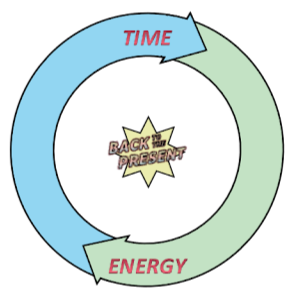
Living in the present and staying mindful can be tough, especially when anxiety distracts us. Anxiety pulls our focus away from the current moment, eating up our limited resources of time and energy by consuming our feelings and thoughts with things that have nothing to do with the present moment (Figure 1-Limited Resources). Without this we can’t fully experience and enjoy life.
Today's world is complex and often overwhelming. Although modern advancements have improved our lives, they've also made us mentally tired. This endless pursuit of progress to have what we want can make us believe that happiness comes from having more things, but this mindset can emotionally exhaust us.
Think of it like letting a child loose in a candy store with instructions to pick only healthy options. The abundance of choices can scatter our focus, allowing our whims to take over. This mental clutter can be overwhelming, but there's a simple rule to guide us when making decisions: act with loving intention.
Guided by Loving Intention
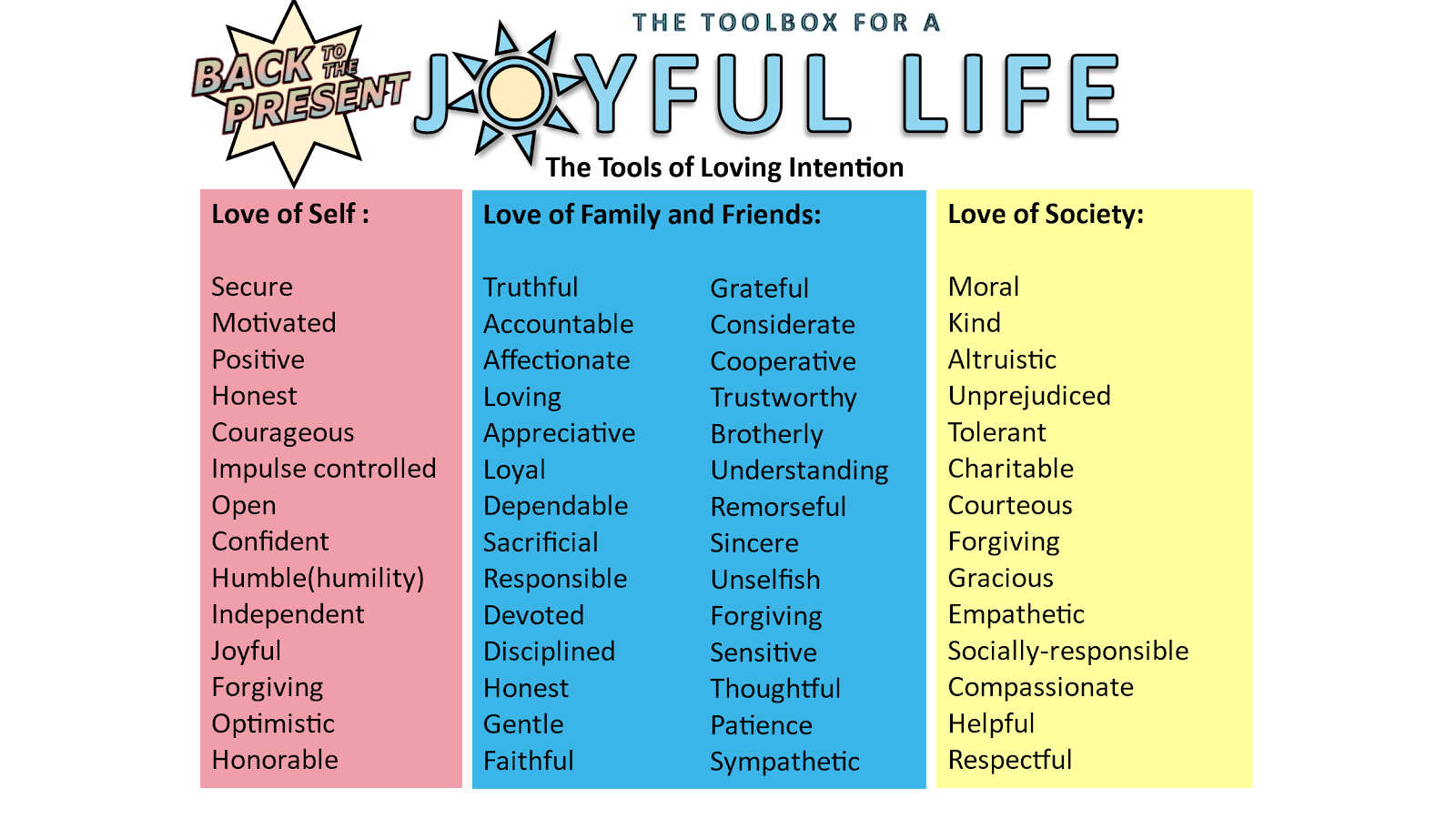
Making decisions with loving intention—for ourselves, our friends, family, and society—generally leads to positive outcomes. Next to this, you'll find what I call The Toolbox for a Joyful Life (Figure 2-Toolbox for a Joyful Life). It's more than just a list of words; it's an intuitive guide to finding joy by purposely living with loving intention. These terms, endorsed by spiritual teachings throughout history, are often forgotten when our ego takes over. When our ego wants something, it can lead us to rationalize behaviors that create future problems.
Decision-Making Tools: Sources of Knowledge
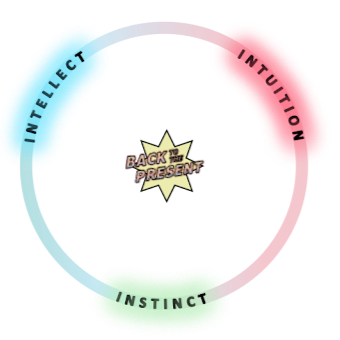
We use our instincts, intellect, and intuition to make decisions (Figure 3-Sources of Knowledge). Instincts cater to our basic needs and are driven by our primal urges. Our intellect, often seen as the "emissary to the master," pursues our wants under the direction of our ego. Our intuition, aligned with our higher self, guides us toward our true desires, like meaningful relationships.
Intuitive Understanding and Loving Intention
Our intuition encourages empathy and sacrifice for others, enriching our lives and those around us. Reflect on the list of words and consider whether there's any trait you wouldn't want to embody. Living with loving intention means making choices that align with these positive traits and being free from anxiety's burdens.
The Battle Within
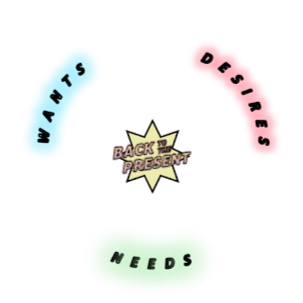
Our consciousness is a battleground where intellect and intuition compete to assist our basic drives in navigating our needs, wants, and desires (Figure 4-Satisfactions). These mental processes shape our lives and influence our decisions.
Instinct, Intellect, and Intuition
While our instincts are hardcoded into our unconscious mind, our intellect and intuition reside in our subconscious, emerging when we face decisions. Our intellect aims to satisfy immediate wants, often without considering long-term impacts. In contrast, our intuition seeks to fulfill deeper desires for good relationships and communal well-being.
Managing Anxiety through Mindfulness
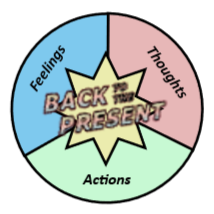
Anxiety distracts us from the present, filling our minds with feelings and thoughts unrelated to our immediate experiences (Figure 5-Manifestations). This can make it hard to enjoy life fully. Mindfulness practices can help refocus our attention on the present moment—the only time we can truly live and use our gifts.
Mindfulness as a Way of Living

Mindfulness requires conscious effort and commitment. It involves setting intentions and implementing a mindful approach to every aspect of life, from daily routines to interactions with others. This practice can transform our lives, helping us make the most of our time and energy, living in alignment with our true values.
Summary
Living mindfully and with intention helps us navigate life's challenges and reach our true potential. It empowers us to make decisions that align with our deepest values and lead lives marked by greater productivity, peace, and purpose (Figure 6-Agreements).
Mindfulness Exercises Aligned with the Four Obligations
Here are practical mindfulness exercises, each tailored to one of the four obligations: awareness, challenge, patience, and honor (Figure 7-Obligations). These exercises can be done anywhere to help you stay present and mindful.
Awareness: Deep Breathing
How to Do It: Sit or stand comfortably. Close your eyes if you feel comfortable. Take a deep breath in through your nose over 5 seconds, filling your lungs completely. Hold for 2 seconds, then exhale slowly through your mouth over 7 seconds. Repeat for a few minutes.
Why It Works: Deep breathing calms the nervous systems (parasympathetic division of the autonomic nervous system) and helps focus your mind on the present moment.
Awareness Aspect: This exercise helps increase awareness of your breath and body, grounding you in the present.
Challenge: Mindful Observation
How to Do It: Choose an object nearby (like a plant, a piece of jewelry, or even your hand). Focus on it for a few minutes, noticing every detail—its color, shape, texture, and any other characteristics.
Why It Works: This exercise helps train your mind to focus on one thing at a time, reducing distractions and promoting mindfulness.
Challenge Aspect: Mindful observation challenges you to maintain focus and attention, honing your ability to freely choose to concentrate.
Patience: Body Scan
How to Do It: Sit or lie down comfortably. Close your eyes. Starting from the top of your head, slowly move your attention down through your body. Notice any sensations or areas of tension. Take your time and try to release any tension as you go.
Why It Works: A body scan helps you become aware of physical sensations, bringing you into the present moment and promoting relaxation.
Patience Aspect: This exercise requires you to patiently and slowly move through your body, cultivating a sense of calm and patience.
Honor: Loving Intention Practice
How to Do It: Sit or lie down comfortably. Center yourself by closing your eyes. Take several slow, deep breaths to center yourself and calm your mind.
Reflect on Loved Ones: Think about your friends and family. Acknowledge the moments you have extended loving intentions towards them, delivering understanding, patience, and honesty.
Expand to Society: Consider your community or society as a whole. Think about ways you have contributed positively, sending out feelings of loving intention to your community, recognizing empathy, compassion, and kindness as powerful tools.
Turn Inward: Finally, focus on yourself. Acknowledge your efforts, strengths, and the good you bring into the world. Extend loving intention towards yourself, embracing security, honesty, and optimism.
Why It Works: This practice fosters a balanced sense of appreciation and respect for yourself and others, promoting overall well-being and minimizing emotional suffering. Acknowledging the positive characteristics or traits of your life enhances your mood by minimizing feelings of sadness or despair.
Honor Aspect: Practicing mindfulness with loving intention honors the positive elements in your life, fostering a sense of appreciation and respect for yourself and others. It encourages a mindful approach to relationships, emphasizing the importance of compassion and kindness in everyday interactions, which helps to reduce emotional suffering and enhance overall joyfulness.
Recommended Apps and Websites for Guided Meditations and Mindfulness Exercises for the Young
Here are some apps and websites that offer guided meditations and mindfulness exercises specifically designed for young people:
Apps
Headspace for Kids
Description: Headspace offers a section specifically for kids, with guided meditations tailored to different age groups (5 and under, 6-8, and 9-12). It includes exercises for calm, focus, kindness, and sleep.
Website: Headspace
Smiling Mind
Description: This app provides mindfulness programs for different age groups, including children and adolescents. It offers exercises designed to help with stress, sleep, focus, and more.
Website: Smiling Mind
Stop, Breathe & Think Kids
Description: Specifically designed for children, this app offers guided mindfulness and meditation exercises to help kids identify and process their emotions. It features activities like mindful breathing, emotion regulation, and gratitude practices.
Website: Stop, Breathe & Think
Mindful Powers
Description: An interactive app that uses a series of mindful play activities to help kids develop focus and manage stress. The app features a character named "Flibbert" that guides children through exercises.
Website: Mindful Powers
Calm
Description: While Calm is known for its adult mindfulness content, it also offers a "Calm Kids" section with stories, guided meditations, and sleep aids specifically for younger audiences.
Website: Calm
Websites
GoNoodle
Description: A website with free videos designed to get kids moving and practicing mindfulness. It includes sections on breathing, meditation, and emotional regulation.
Website: GoNoodle
Cosmic Kids
Description: This website offers yoga and mindfulness videos designed for kids. The content is engaging and often story-based, making it fun for young children to follow along.
Website: Cosmic Kids
Mindful Schools
Description: Provides resources and programs for teaching mindfulness in schools, including guided meditations and lesson plans that educators can use with children.
Website: Mindful Schools
New Horizon - Meditation & Sleep Stories
Description: This website offers guided meditation and sleep stories specifically designed for kids. The content aims to help children relax, focus, and manage their emotions.
Website: New Horizon
Calm Classroom
Description: Offers mindfulness programs tailored for classrooms, with exercises that help students focus, manage stress, and improve their emotional well-being.
Website: Calm Classroom
These apps and websites provide engaging and age-appropriate mindfulness content that can help young people develop mindfulness skills, manage stress, and improve their overall well-being.