
Why Do We Act F.A.S.T.?
Imagine This:
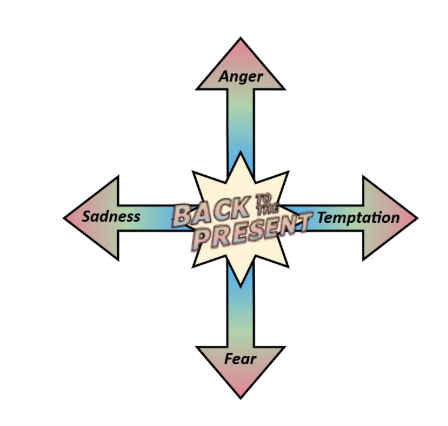
You’re strolling through the park, enjoying the sunshine, when suddenly—a big dog barks at you! Your heart races, your muscles tighten, and you feel the urge to run. That’s your body acting F.A.S.T. before your brain even has time to think! But wait—what if the dog just wants to play? If you had paused for a moment, you might have noticed its wagging tail (Figure 1-F.A.S.T. Emotions).
This story shows how F.A.S.T. emotions can trick us into acting without thinking. Let’s explore what these emotions are and how we can slow down to make better choices.
What Are F.A.S.T. Emotions?
F.A.S.T. stands for Fear, Anger, Sadness, and Temptation—powerful emotions that can make us react impulsively before we think. While these instinctual responses were crucial for survival in the past, they can cause problems in today's modern world if we don’t learn to manage them.
For the first 2 million years of human existence, F.A.S.T. emotions played a key role in keeping our ancestors alive. Imagine early humans navigating the wild without modern tools or protection. They relied on their instincts to survive:
Fear kept them on high alert, helping them escape predators and avoid danger.
Anger gave them the strength to protect their families and territory.
Sadness reinforced social bonds, encouraging cooperation and ensuring no one was left behind.
Temptation motivated them to seek food, shelter, and companionship, securing the survival of their species.
These impulsive responses allowed humans to react instantly to threats, increasing their chances of making it to the next day. However, while these emotions were once essential, the world we live in today is much safer. We no longer need to flee from wild animals or fight for food, yet our brains still react as if we do.
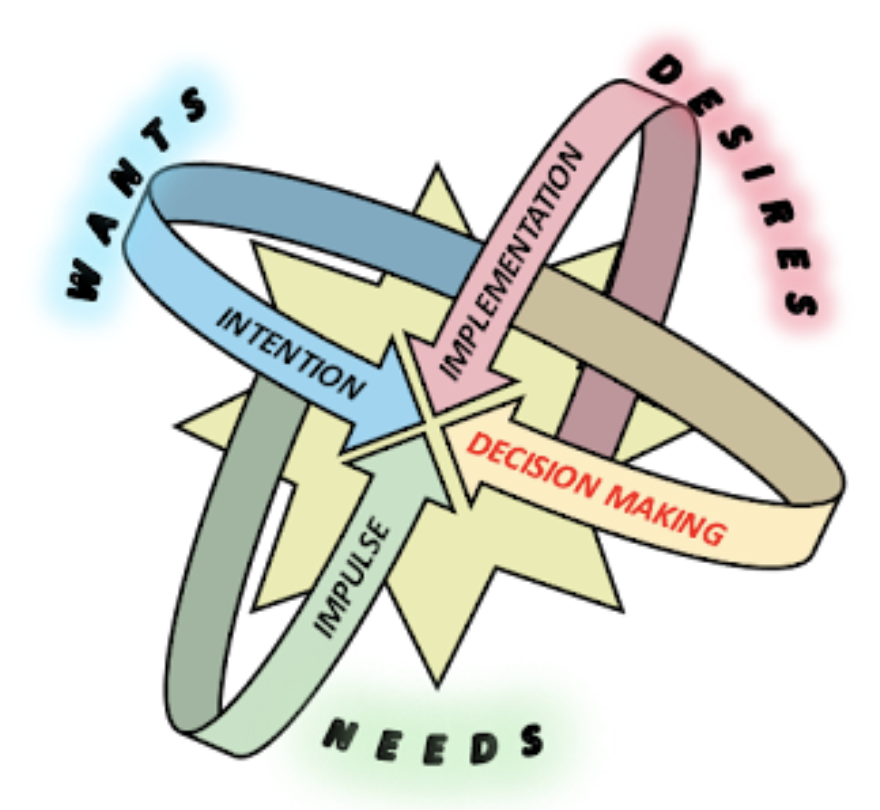
That’s why learning to pause, control impulses, set clear intentions, and implement the intuitive knowledge of loving intention is essential for making wise decisions. One mindful choice at a time, we can break free from outdated survival instincts and embrace a more thoughtful, fulfilling way of living (see Figure 2 – Decision-Making and Satisfactions).
Have you ever snapped at someone in anger or felt overwhelmed with sadness without knowing why? That’s F.A.S.T. emotions taking over! The good news? You have the power to pause, reflect, and choose a better response. By mastering this skill, you can navigate life with greater peace, happiness, and joy.
Understanding Our Needs, Wants, and Desires
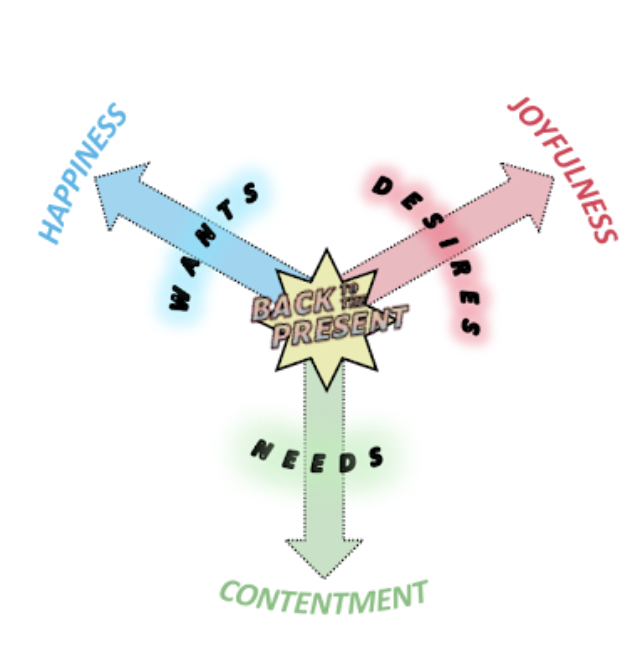
Why do F.A.S.T. emotions take over? Because they push us toward getting what we think we need! But not everything we react to is actually necessary. Let’s break it down:
Needs: The basics—food, water, sleep. When we meet these, we feel content (like after eating a healthy meal).
Wants: Things that make life fun—games, treats, hobbies. They bring happiness (like a surprise ice cream cone!).
Desires: Deep emotional connections—friendships, love, purpose. They bring joy (like a big hug from someone who cares).
F.A.S.T. emotions helped early humans survive, but today, they sometimes trick us into acting in ways we regret. Learning to pause and think helps us make choices that truly serve us (Figure 3-Satisfactions and Emotional States of Being).
The Power of Choice: Your Superpower
Guess what? You have an amazing superpower—choice! Instead of reacting instantly, you can pause and decide what’s best. Your body even has a built-in calming system, like a superhero’s secret power, to help you feel safe and relaxed.
When you take a deep breath and think before acting, you’re using your power of choice to become the boss of your emotions!
The Magic of Intuition
Here’s where it gets really cool. You have something inside you called intuition. It’s like your inner guide, helping you make decisions that feel right deep down. Intuition helps you:
Be kind and caring.
Build stronger friendships.
Spread love and positivity.
By listening to your intuition, you can stop F.A.S.T. emotions from taking control. Instead of reacting impulsively, you can pause and respond with thoughtfulness. That makes life more joyful for you and those around you.
The Tools in Your Toolbox for a Joyful Life

Figure 4-Toolbox for a Joyful Life
To help you use intuition wisely, you have four special tools—like superpowers—that strengthen your relationships and guide your decisions (Figure 4-Toolbox for a Joyful Life):
Empathy: Imagine stepping into someone else’s shoes. How do they feel? When you practice empathy, you make others feel cared for and loved.
Faith: Believing in yourself and others, even when things are tough. Faith keeps you hopeful and strong.
Sacrifice: Putting someone else’s needs before your own, like sharing your last piece of candy because it makes a friend happy.
Communication: Expressing your thoughts and feelings clearly. Talking and listening build trust and understanding.
Using these tools helps you make choices that bring more happiness and joy to your life and the lives of others.
Training Your Brain: The F.A.S.T. Reaction Challenge
Want to build your emotional superpower? Try this mindfulness game!
Change your phone wallpaper to a reminder of F.A.S.T. emotions—like a stop sign or traffic light.
Every time you feel fear, anger, sadness, or temptation, PAUSE. Count to five.
Ask yourself: “What’s the best choice I can make right now?”
Give yourself a point for every thoughtful choice you make. Can you score 10 points this week?
A Final Tip for Success
Remember: You are the boss of your emotions. By learning to pause, controlling your impulse and think using your intuition, you’re building a superpower that will help you make great choices, have awesome friendships, and create a life full of joy. Keep practicing, and you’ll get better every day. You’ve got this!

Mindfulness Exercise
To combat quick emotional impulses, consider practicing mindfulness. For instance, set your phone wallpaper to a reminder of the F.A.S.T. emotions. Whenever you see it, remind yourself not to respond hastily to these emotions. This practice can help lessen suffering and foster a more joyful life (Figure 5-F.A.S.T. Image for Your Phone’s Wallpaper).