
Exploring Our Emotional Vulnerabilities: Why do we act F.A.S.T.?
Introduction to F.A.S.T. Emotions
Our emotions, particularly those I refer to as F.A.S.T. emotions (fear, anger, sadness, and temptation), often overpower us, leading to impulsive decision-making. The choices we make significantly shape our lives, both retrospectively and prospectively. These F.A.S.T. emotions have historically triggered impulsive actions that originally served our survival needs. But why do we still react so quickly, potentially complicating our lives with these inherent impulses?
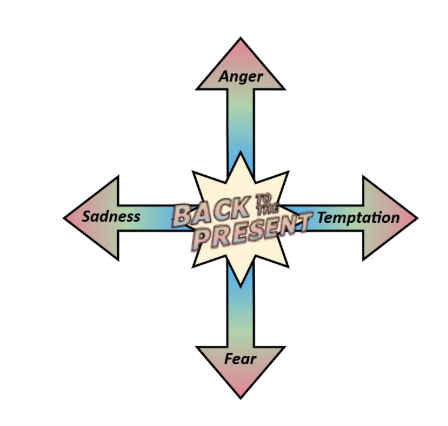
Figure - Our Emotional Vulnerabilities-Our F.A.S.T. Emotions, Fear, Anger, Sadness, and Temptation
Historical Context of Emotional Responses
For much of human history, fear, anger, sadness, and temptation have triggered primitive, instinctual responses crucial for survival, such as the "fight, flight, or freeze" response of our sympathetic nervous system. This is a survival mechanism found in humans and animals. This stress response assures all animals, including humans, that their needs can be met. It involves releasing cortisol, a stress hormone, which prepares the body for quick action.
Evolution of Satisfactions
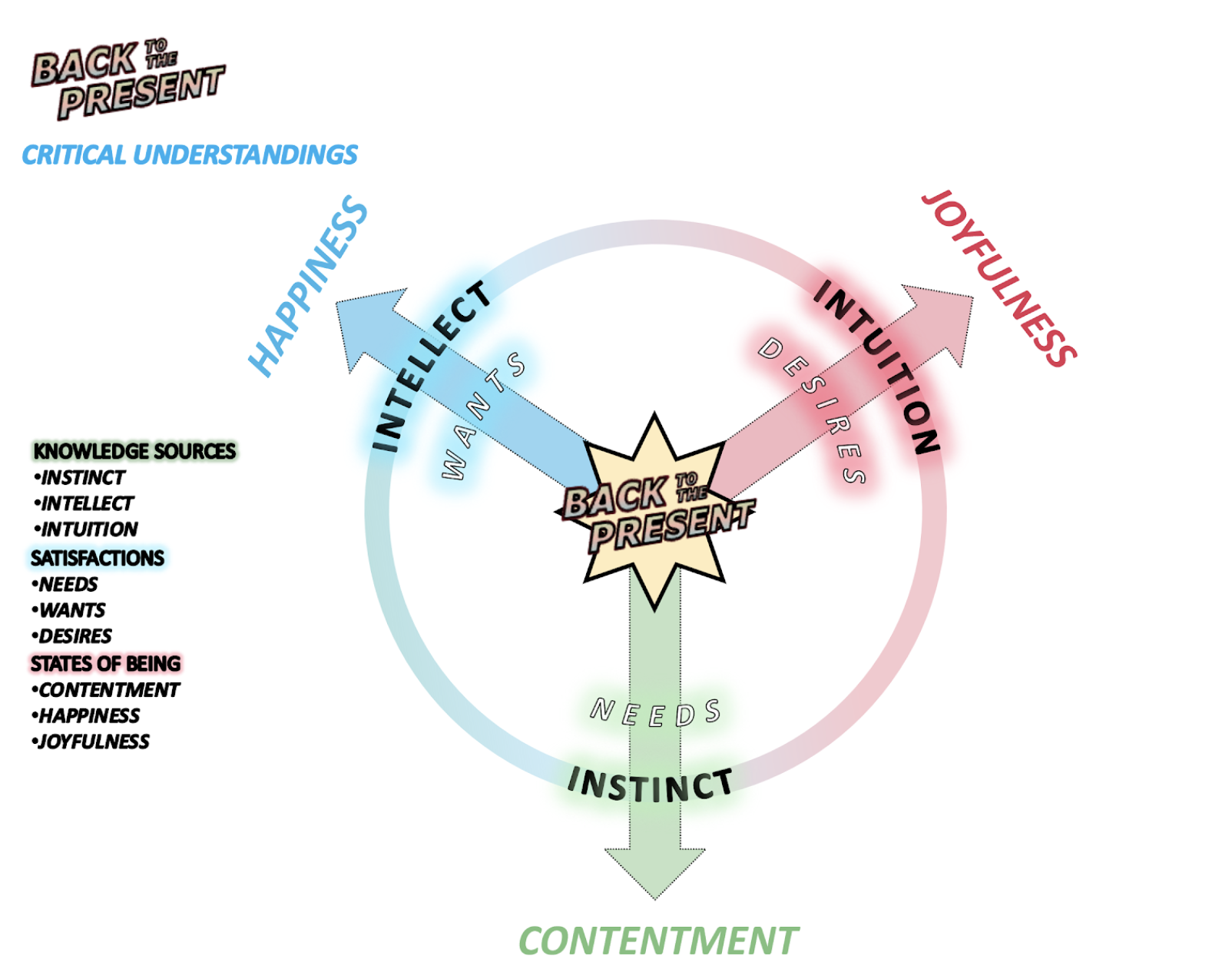
It's important to understand the difference between our needs, wants, and desires. Needs are essential for survival, like food and shelter, providing contentment. Our needs motivated us for the majority of time on earth, there was little else to consider. Wants are things that provide comfort, convenience, entertainment, and amusement, providing us happiness. Desires are deep emotional longings, like the joy that comes into our lives when we have good relationships with others. While F.A.S.T. emotions were once crucial for survival, they can now lead to harmful impulsive decisions. Managing these emotions can reduce anxiety and improve our relationships. Imagine the benefits of not reacting impulsively to these emotions.
The Power of Choice
What if we could choose not to react quickly? In the past, instinctive reactions were essential for survival. But as our basic needs got met, the parasympathetic nervous system — which promotes calmness — started to balance our stress or ‘fight, flight, or freeze’ responses with contentment. Unlike animals, humans think beyond survival. We reflect on past experiences and plan for the future, which affects our decisions.
Human Evolution in Decision-Making
Humans have moved from focusing just on survival needs to pursuing complex wants and desires. These are elements of backtothepresent.org’s Critical Understandings (Figure 2-Critical Understandings-Satisfactions, States of Emotional Well-Being, and our Sources of Knowledge) These are many of the tools that motivate free choice and thus, decision-making. This is why they are Critical Understandings. Our expanded consciousness lets us experience more than the contentment that occurs when our needs are met. We can achieve happiness and joyfulness, which are important motivators when decision-making.
As we began to rely on others, our decision-making grew complex, incorporating intuitive and intellectual knowledge alongside instinct. This evolution expanded our consciousness beyond the present moment, allowing us to contemplate our future. These developments challenge us to make well-informed choices, utilizing our expanded knowledge and awareness.
Harnessing Intuition: The Power of Loving Intent
Intuition, our collective intuitive Source of Knowledge, plays an essential role in enriching our lives. It's geared towards achieving emotional fulfillment and deepening loving relationships, thus resonating with our innermost desires. This type of knowledge imparts social, nurturing, spiritual, and emotional skills. Utilizing our amazing abilities to communicate, sacrifice, have faith, and empathize with others. These not only enhance our personal interactions, but also contribute to our collective well-being and growth.
Our intuitive approach enables us to transcend basic, instinct-driven reactions, often spurred by F.A.S.T. emotions (fear, anger, sadness, and temptation). It encourages us to react thoughtfully, not impulsively. Embracing and practicing loving intentions is crucial for strengthening relationships, supporting community interdependence, and promoting personal and societal development.
Intuition addresses both our essential needs and wants, as well as our deeper desires, especially in establishing nurturing relationships. It grants us the liberty to make life choices that truly reflect our authentic selves and goals.
The pinnacle of human fulfillment, achievable through intuition, is found in cultivating peaceful and caring relationships. A focus on mutual responsibility and nurturing love within our communities is vital for a harmonious and joyful existence.
Recognizing and applying our intuitive knowledge allows us to manage the effects of F.A.S.T. emotions effectively. This unique human ability to form significant connections fosters advancement on both individual and societal levels. In summary, harnessing our intuition is key to navigating the complexities of life and deepening our sense of connection and satisfaction (Figure 3-ToolBox for a Joyful Life-The Tools of Loving Intention).

Figure 3-ToolBox for a Joyful Life-The Tools of Loving Intention
Unleashing the Power of Intellect
Our intellect constantly strives to improve the quality and quantity of our lives. Often driven by ego, this quest predominantly seeks what it is we want, comfort, convenience, entertainment, and amusement. However, this pursuit can overshadow our intuitive insights, which are essential for making decisions that align with our true desires. While fulfilling our wants may bring temporary happiness, this satisfaction is often fleeting, leading us to seek the next thing to want, believing that it will finally make us happy.
The integration of intellectual knowledge into our consciousness has broadened our options, making decision-making more complex by focusing our attention on wants rather than needs or desires. These varied wants can distract us, encouraging self-serving behavior and impulsive decisions. Now, more than ever, there is a pressing need to engage in teaching our young the art of using intuitive knowledge for thoughtful decision-making.

Mindfulness Exercise
To combat quick, emotion-driven reactions, consider practicing mindfulness. For instance, set your phone wallpaper to a reminder of F.A.S.T. emotions. Whenever you see it, remind yourself not to respond hastily to these emotions. This practice can help lessen suffering and foster a more joyful life.