
The Impact of Negative Emotions
Life is full of challenges, and it’s natural to respond impulsively to emotions like fear, anger, sadness, and temptation; our F.A.S.T. emotions. These emotions aren’t isolated reactions; they arise from the interplay between our feelings and thoughts. When our mind becomes distracted by feelings and thoughts unrelated to the present moment, we waste valuable time and energy. This wastes these Limited Resources, creating a state of anxiety that leaves us feeling disconnected and overwhelmed.
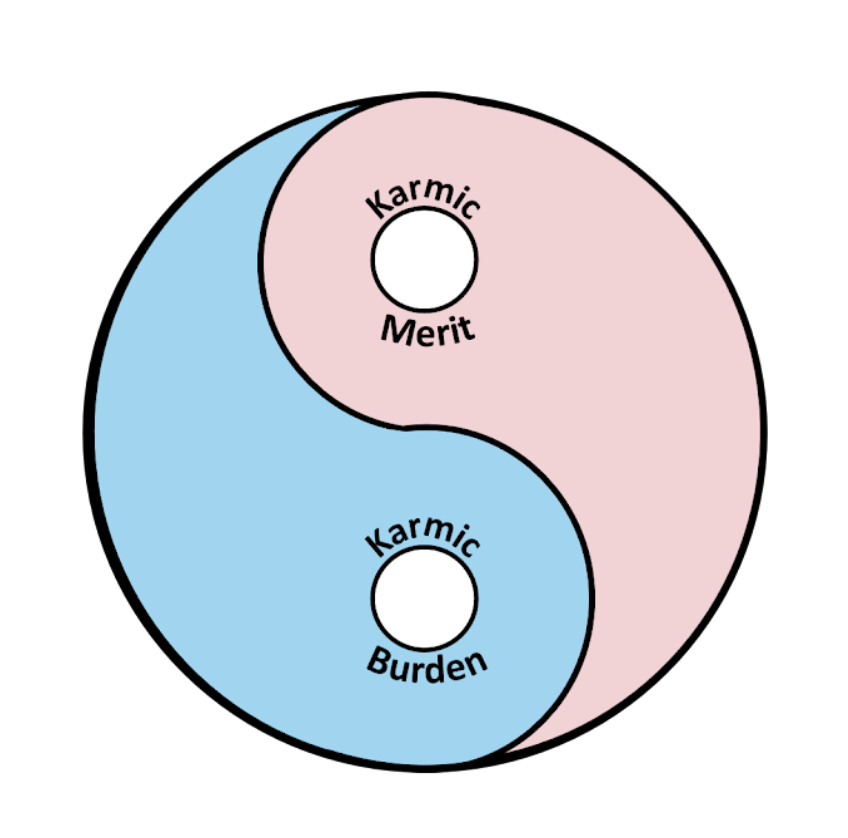
While we experience life through sensory input, it’s our emotions that shape how we interpret those experiences. Emotions are a complex blend: they begin with feelings triggered by an event and are then influenced by the thoughts we generate our responses from our individual mind. This combination can either anchor us in the present, earning us karmic merit or weigh us down, distracting us with karmic burden. An energetic force that pulls us into a cycle of unnecessary suffering.
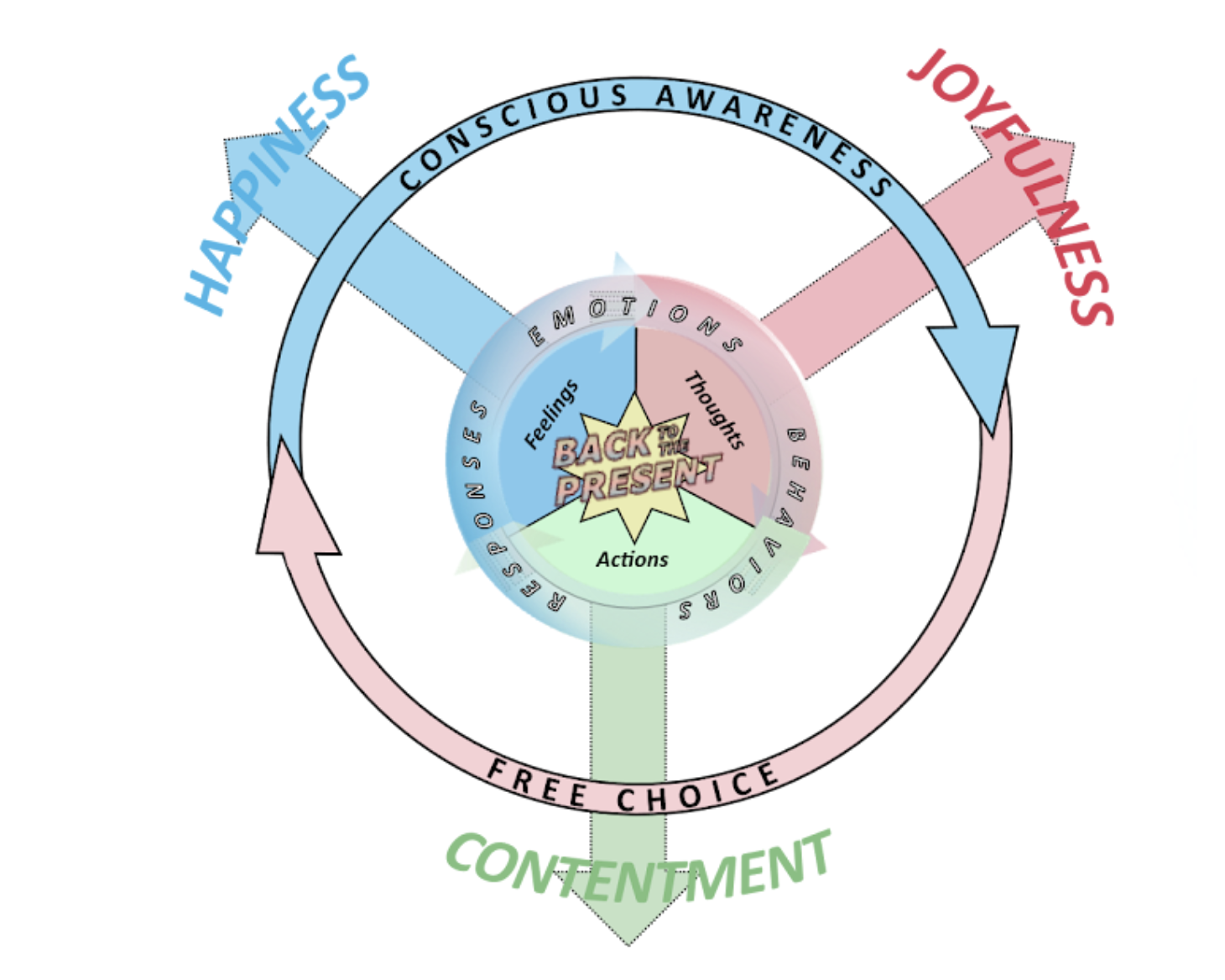
When a negative emotion lingers beyond the moment, it can throw our emotional balance off, disrupting our ability to experience contentment, happiness, and joyfulness—the Emotional States of Being that bring depth and meaning to our lives (Figure 1-Unique Abilities, Manifestations, and Emotional States of Being).
Example: Imagine you’re at a party with friends. The music is great, and everyone is laughing, but instead of enjoying the moment, your mind keeps replaying an argument you had earlier in the day. The frustration and anger take over, and suddenly the laughter and good vibes around you feel distant. This is how negative emotions work—they consume your energy and your time by distracting your thoughts, and pull you away from the present.
The good news? While we can’t avoid negative emotions entirely, we can learn to manage them before they take control.
By using our conscious awareness—paying attention to what we’re doing, feeling, and thinking—we can make intentional choices about how to respond. We don’t have to act F.A.S.T. This awareness gives us the power to shape our Emotional State of Being, moving away from harmful negativity and toward a more positive and balanced state of mind.
Reflective Prompt: Think of a time when a negative emotion disrupted your ability to enjoy something. What caused it, and how did it impact the moment?
Common Sources of Emotional Suffering
We all know that our heart is likely to be broken, and our feelings will be hurt at some point during our lifetime. This is a guarantee! Emotional suffering often stems from a loss of emotional confidence in our ability to make a decision or deal with some outcome. Ultimately, this negative emotion creates a karmic burden in our consciousness, disrupting our ability to stay present, draining us of our limited time and energy. Anxiety doesn’t just appear out of nowhere—it’s fueled by specific triggers that occupy our mind and pull us away from experiencing the Emotional States of Being: contentment, happiness, and joyfulness.
Here are the five common sources of anxiety that lead to emotional suffering or anxiety:
Complexity of Choice (Temptation)
The overwhelming pressure of having too many options can make decision-making feel paralyzing. Instead of feeling empowered, we often find ourselves stuck in a loop of overthinking and self-doubt.
Example: Imagine trying to decide on a college or career path. Each choice feels monumental, and you’re consumed by thoughts like, What if I choose wrong? What if I regret this later? This indecision drains your energy and keeps you from appreciating the opportunities in front of you.
Reflective Prompt: When was the last time you felt overwhelmed by a decision? How did it impact your ability to focus on the present?
Future Perceptions (Fear)
Anxiety about the future often comes from imagining worst-case scenarios. Fear of the unknown can keep you stuck in a cycle of worry, stealing your ability to enjoy the present moment.
Example:
You have an important presentation coming up, and instead of preparing calmly, you’re consumed by thoughts like, What if I mess up? What if everyone judges me? This fear distracts you, making the task feel even more daunting.
Reflective Prompt: Think of a time when fear about the future kept you from taking action. How might faith in your abilities have helped?
Past Burdens (Regret)
Dwelling on past mistakes traps you in a cycle of "what-ifs." Regret consumes your thoughts, leaving little room for self-compassion or growth.
Example: You keep replaying a moment when you said something embarrassing in front of friends. Instead of moving on, you get stuck thinking, Why did I say that? I should’ve handled it differently. This fixation keeps you from enjoying new interactions or opportunities.
Reflective Prompt: What’s one past regret that still lingers in your mind? How could reframing it as a learning experience help you move forward?
Lack of Love of Self (Shame)
Shame is a deeper form of regret—it’s the belief that your mistakes define you. This negative self-view disconnects you from others and increases emotional suffering.
Example: You fail an important exam and start thinking, I’m not smart enough, and I’ll never succeed. This shame isolates you, making it harder to reach out for help or encouragement.
Reflective Prompt: Think about a time when you felt unworthy due to a mistake. How might self-compassion have changed your perspective?
Relationship Difficulties (Anger and Resentment)
Conflict with others often leads to lingering frustration, anger, or resentment. These emotions don’t just affect your relationship with that person—they take up mental space, distracting you from the present.
Example: You argue with a sibling over something small, but instead of resolving it, you replay the argument in your head, growing angrier with each thought. This unresolved anger spills into your other interactions, making it harder to enjoy time with family or friends.
Reflective Prompt: When have you held onto anger or resentment in a relationship? How did it affect your mood and interactions with others?
By understanding these Five Sources of Anxiety—Complexity of Choice, Future Perceptions, Past Burdens, Lack of Love of Self, and Relationship Difficulties—you can start to identify what triggers emotional suffering in your own life. Awareness of these patterns is the first step toward breaking free from their grip and reclaiming your mental and emotional energy.
Reflective Action Step: Identify which of these sources of anxiety affects you most often. What’s one small action you can take today to address it and move toward a more peaceful state of mind?
Choosing Loving Intention to Avoid Negative Emotions
Every decision we make is an opportunity to align with loving intention—acting with values like compassion, honesty, patience, and understanding—or to stray from it (Figure -Toolbox for a Joyful Life). When we choose behaviors that reflect loving intention, we earn karmic merit, fostering positive emotions like contentment, happiness, and joyfulness. However, when we act impulsively or selfishly, ignoring these guiding values, we create karmic burden—the emotional and spiritual weight that lingers as regret, guilt, or resentment.
The Impact of Our Choices:
Aligning with Loving Intention: Strengthens relationships, promotes peace of mind, and minimizes negative emotions.
Example: Responding calmly to criticism instead of lashing out creates understanding and resolution.
Ignoring Loving Intention: Leads to unresolved tensions, strained relationships, and the accumulation of negative emotions.
Example: Acting out of anger or dishonesty leaves behind guilt and damages trust.
By choosing to embody the values of loving intention, we not only avoid creating negative emotions for ourselves but also contribute positively to the well-being of those around us. We find our consciousness free of the emotional distraction of anxiety. When we act without intention, however, we carry the weight of those choices, trapping ourselves in a cycle of negativity.
Key Reminder: Each decision is a chance to choose between creating karmic merit or karmic burden. The more we align with loving intention, the less we suffer from negative emotions—and the more we invite joyfulness into our lives.